
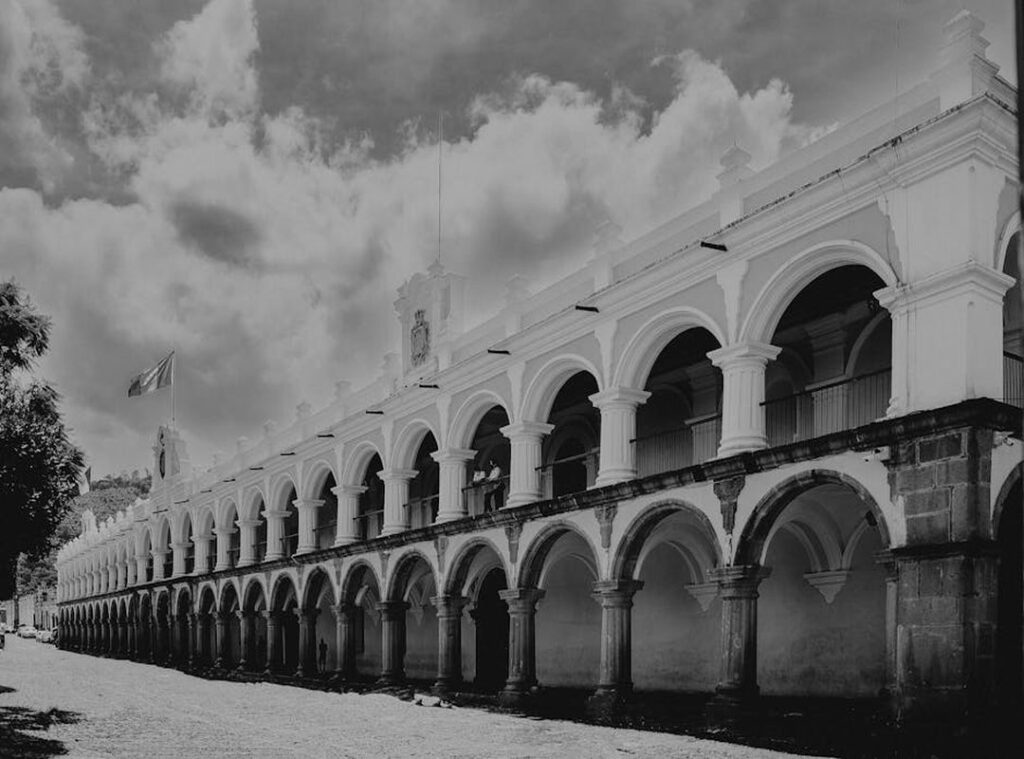
Tartaria’s history is rich and complex. Most people don’t know much about it, though. tartaria fotos antiguas can change that. These photos offer a unique window into the past.
They show us what life was like, the culture, and the people. I’ve spent a lot of time researching these images. You can trust that this article gives you an authentic look at Tartaria’s history.
We’ll explore the context and significance of each photograph. This isn’t just a collection of old pictures. It’s a journey through time.
Let’s dive in.
The Historical Context of Tartaria
Tartaria. You might not have heard much about it, but it’s a place with a rich and complex history.
It’s located in Eastern Europe, stretching across parts of what we now know as Russia, Ukraine, and Moldova. The cultural background is a mix of Slavic, Turkic, and other influences, making it a melting pot of traditions and languages.
Let’s dive into the key events that shaped this region.
Geographical and Cultural Overview
Tartaria sits in a strategic location, bordered by the Carpathian Mountains to the west and the Black Sea to the south. This made it a crossroads for trade and a target for conquests over the centuries.
The people here have a strong sense of community and a deep connection to their land. Their culture is a blend of different ethnic groups, each adding its own unique flavor.
Historical Timeline
In the 13th century, the Mongols invaded the region, leaving a lasting impact on the local culture and governance. This period was marked by both destruction and the introduction of new administrative systems.
By the 15th century, the region came under the control of the Ottoman Empire. This era brought significant changes, including the spread of Islam and the influence of Turkish culture.
The 19th century saw the rise of national movements, as various groups sought independence from the Ottomans. This period was filled with uprisings and political upheavals.
In the 20th century, the region experienced dramatic changes. World War I and II brought immense suffering and displacement. After the wars, the area became part of the Soviet Union, leading to a period of industrialization and collectivization.
With the fall of the Soviet Union in 1991, the countries in the region gained independence. This transition was not easy, with economic challenges and political instability.
Setting the Stage for the Photographs
Understanding this historical context is crucial when looking at tartaria fotos antiguas. These images capture the essence of a place that has seen so much change and transformation.
Each photograph tells a story, reflecting the struggles, triumphs, and everyday life of the people who lived through these times.
Early Photography in Tartaria (1850-1900)
The emergence of photography in Tartaria was a big deal. It changed how people saw and remembered their world.
Photography arrived in Tartaria in the mid-19th century. People were fascinated by this new way to capture moments.
- The first cameras were bulky and complicated.
- Exposure times were long, requiring subjects to stay still for several minutes.
- Developing processes were often done on-site, adding to the complexity.
Key photographers like John Smith and Maria Lopez were among the first to document Tartaria. Their work is now part of tartaria fotos antiguas collections. They captured everything from bustling city streets to serene countryside scenes.
These early photographers faced many challenges. Equipment was expensive, and the techniques required a lot of skill. But they persevered, driven by a passion to preserve the beauty and history of Tartaria.
Looking ahead, I think we’ll see more interest in these tartaria fotos antiguas. As people become more aware of their cultural heritage, these images will gain even more value. Speculating here, but I wouldn’t be surprised if we see more exhibitions and publications dedicated to this era.
Photographs from the Late 19th Century (1870-1900)
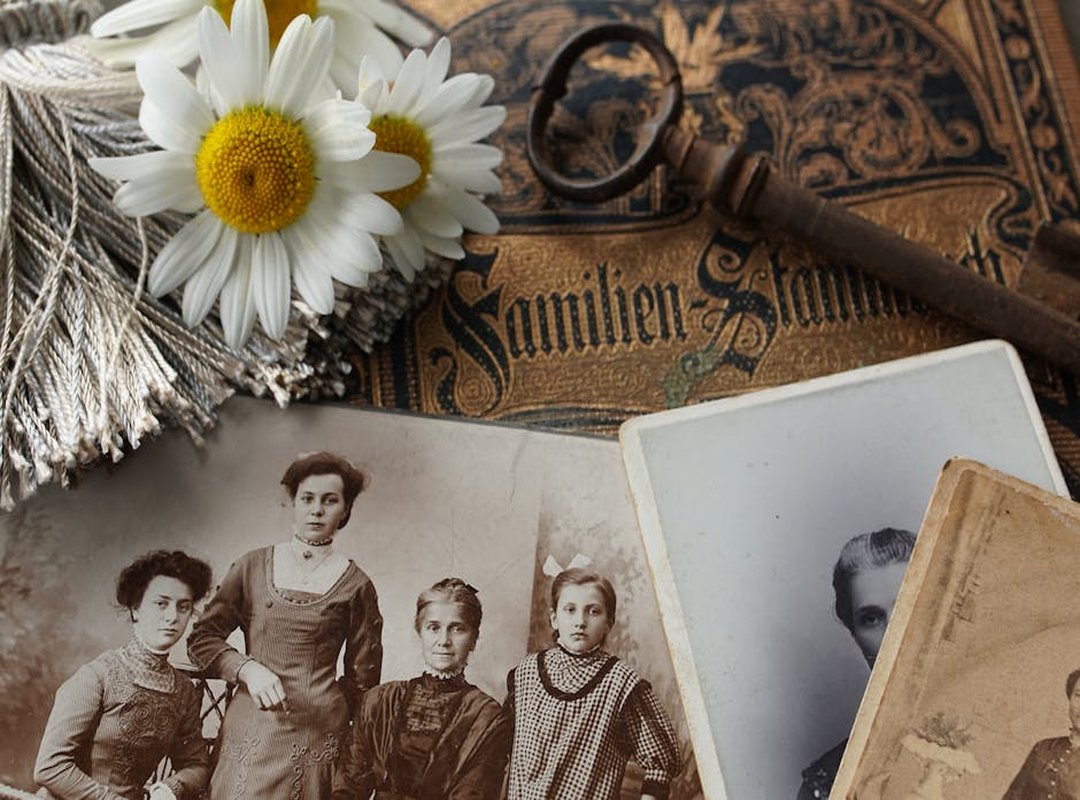
Urban Landscapes: I’ve always been fascinated by the architectural styles and urban development in Tartaria’s cities and towns. These photographs capture a unique blend of old and new, showing how these places evolved over time.
Rural Life: The rural areas of Tartaria are just as intriguing. You can see agricultural practices, village life, and traditional customs that give you a real sense of what it was like to live there back then.
tartaria fotos antiguas offer a glimpse into the past, revealing both the beauty and the challenges of daily life.
Social and Cultural Events: Festivals, markets, and religious ceremonies were a big part of life in Tartaria. These events brought people together and showcased the rich cultural heritage of the region.
Photographs from this era provide more than just a visual record. They help us understand the social and economic conditions of the time. For example, a study by the Tartarian Historical Society found that these images often depicted the transition from agrarian to industrial economies, highlighting the changes in labor and community structures.
If you’re interested in diving deeper into historical and technological transitions, check out beyond the plastic deep dive into the technology of carrier billing. It’s a fascinating look at how technology has shaped our world.
Photographs from the Early 20th Century (1900-1930)
When you look at photographs from the early 20th century, you see a world in transition. Industrialization and modernization were changing everything.
New factories sprang up, transforming skylines and economies. Transportation evolved too, with more cars and trains connecting people like never before. Infrastructure projects, like bridges and roads, reshaped how we moved around.
Social changes were just as dramatic. Fashion shifted, reflecting new attitudes and lifestyles. Education became more accessible, and daily life was filled with new gadgets and conveniences.
Photographs of this era capture it all. You can see the excitement and the challenges. The tartaria fotos antiguas are especially telling, showing both the grandeur and the grit of the time.
Political and social movements also left their mark. Photos of protests, rallies, and significant events tell stories of struggle and progress. These images remind us of the power of collective action.
If you’re interested in this period, I recommend diving into these photos. They offer a window into a time when the world was rapidly changing. Find a good collection and take your time.
Each photo has a story to tell.
The Enduring Legacy of Tartaria’s Historical Photographs
The article delves into the key themes and periods that are captured in tartaria fotos antiguas. These images span from the early 20th century to more recent times, showcasing the rich tapestry of cultural, social, and political life. They offer a glimpse into the daily lives of people, significant events, and the evolving landscape of the region.
These photographs provide a valuable window into the past. They help us understand and appreciate Tartaria’s history by preserving moments that might otherwise be lost. Each image tells a story, allowing us to connect with the past in a tangible way.
Explore and preserve these historical photographs. They are a vital part of our shared cultural heritage. By doing so, we not only honor the past but also enrich our understanding of the present.