
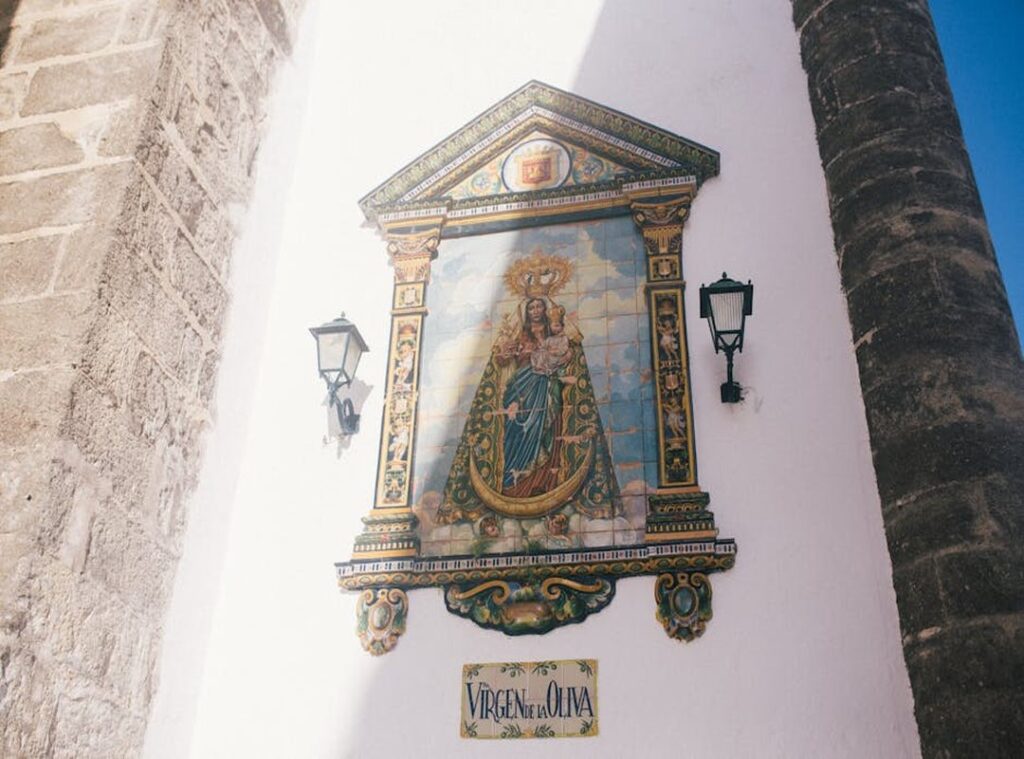
Bullfighting is a sport steeped in tradition and masculinity. But let’s talk about the women who step into the ring. la torera virgen that is.
These women, known as toreras, face unique challenges and triumphs. They’re breaking barriers in a world that often tells them they don’t belong.
I’ve spent a lot of time researching and talking to leading toreras. So, I know what I’m talking about. This article will dive into the history, culture, and current landscape of female bullfighting.
Whether you’re an enthusiast or just curious, you’ll get a comprehensive view. Let’s get into it.
The History of Female Bullfighters
I remember the first time I saw a female bullfighter. It was in a small town in Spain, and the crowd was buzzing with excitement. Early Beginnings: The origins of female bullfighters, or toreras, go back to the 17th century.
The first recorded instance was in 1630, when a woman named Maria de la Cruz performed in a bullring.
But it wasn’t until the early 20th century that women started to gain more visibility. They faced immense opposition, but their passion and skill were undeniable.
Pioneers: One of the key figures who broke barriers was Conchita Cintrón. She was a sensation in the 1940s, performing in arenas across Europe and South America. Her bravery and skill inspired many other women to take up the cape.
Another notable figure is Carmen Valdés, who became the first professional female matador in 1951. She faced incredible challenges, but her determination paved the way for future generations.
Cultural Impact: The cultural significance of women entering the bullring can’t be overstated. It challenged traditional gender roles and sparked both admiration and controversy. Some people embraced la torera virgen que es as a symbol of empowerment, while others saw it as a threat to the sport’s traditions.
Societal reactions varied widely. In some places, women were celebrated for their courage and skill. In others, they faced harsh criticism and even legal barriers.
Despite the obstacles, these women continued to push boundaries and inspire change.
It’s important to recognize the impact these pioneers had. They didn’t just break into a male-dominated field; they redefined what it meant to be a bullfighter.
What It Means to Be a ‘Pure Torera’
Being a pure torera is no joke. It means you’re at the top of your game, embodying the true spirit and tradition of bullfighting. Standards are high.
You must be skilled, graceful, and fearless.
Training and Discipline
Training to be a top-tier torera is brutal. You start young, learning from experienced mentors. Hours in the ring, perfecting every move.
It’s not just about physical strength; it’s about precision and control.
Discipline is key. You have to stick to a strict routine, both in and out of the ring. No room for laziness or distractions.
Mental and Physical Demands
The mental and physical demands are intense. You need to stay calm under pressure, with thousands of eyes on you. The bull is unpredictable, and one mistake can be deadly.
Toreras prepare themselves through rigorous exercise, meditation, and visualization. They build their bodies and minds to handle the stress.
La torera virgen que es—that’s the ideal. A torera who embodies purity, skill, and dedication.
If you’re serious about this, find a mentor. Someone who’s been there and can guide you. And remember, it’s not just about the fight.
It’s about the art, the culture, and the respect for the tradition.
Challenges Faced by Female Bullfighters
Gender barriers in bullfighting are real. Historically, the sport has been dominated by men, and women have faced significant obstacles. But times are changing.
More and more, we see female bullfighters, or la torera, stepping into the ring and challenging these norms.
Public perception is a big hurdle. Many people still believe that bullfighting is too dangerous for women. This stereotype is slowly being broken down as more women prove their skill and bravery.
It’s not about gender; it’s about passion and dedication.
Support and mentorship are crucial. Aspiring la torera need guidance and encouragement from experienced fighters. Having a strong support network can make all the difference.
It helps them navigate the challenges and build the confidence they need to succeed.
I recommend aspiring female bullfighters to seek out mentors and join supportive communities. These networks can provide invaluable advice and help you stay motivated. And don’t forget, learning from others who have walked the same path can be incredibly empowering.
If you’re serious about making it in this sport, you also need to manage your resources wisely. (This applies to any career, really.) Learn more about how to do that here.
Success Stories and Modern Toreras
Let’s talk about some of the most successful and influential modern toreras. These women are making waves in a traditionally male-dominated sport, and their achievements are nothing short of inspiring.
Take Maria Serrano for example. She’s not just breaking barriers; she’s shattering them. Maria has won several prestigious awards and is known for her grace and skill in the arena.
Her impact on the sport is undeniable.
Then there’s Ana Maria Rios, who has been a driving force in bringing more women into bullfighting. Her dedication and passion have earned her a place among the top toreros in the world.
International recognition is growing too. More and more countries are welcoming female bullfighters, and the public is showing increasing support. This shift is crucial for the future of the sport.
The future looks bright. With more opportunities and acceptance, we can expect to see even more women entering the arena. The next generation of la torera virgen que es is already making its mark.
So, what does this mean for aspiring toreras? It means there’s never been a better time to get involved. If you’re passionate about bullfighting, take that first step.
Find a local school or mentor, and start learning. The path may be challenging, but the rewards are immense.
The Future of Female Bullfighting
Female bullfighting, or toreo, has a rich yet often overlooked history. Women have been part of this tradition for centuries, facing significant societal and institutional barriers. Despite these challenges, la torera virgen que es has emerged as a symbol of resilience and skill.
Recent years have seen more recognition and opportunities for female bullfighters, with some achieving notable success in the arena. Continued support and recognition are crucial for the growth and evolution of women in this sport. By appreciating and supporting the pure torera and the cultural heritage they embody, we can help ensure a vibrant and inclusive future for bullfighting.