

Aesthetic visuals can make or break your content. It’s that simple.
Do you ever wonder why some posts grab your attention while others just blend into the background? It’s all about the visuals.
Visually appealing content stands out. It draws people in and keeps them engaged. But creating that kind of content isn’t always easy.
Many creators struggle with it. They know it’s important, but they don’t know where to start.
This article is here to help. We’ve done the research and gathered practical insights from industry experts.
You’ll find actionable tips and strategies to create dark:ih71b_rxy_k= imagenes aesthetic and engaging content.
Let’s dive in.
Understanding Aesthetic Visuals: The Basics
What are aesthetic visuals and why are they important?
Aesthetic visuals are all about making things look good. They’re not just pretty pictures; they play a crucial role in how we perceive and interact with content.
Why should you care? Because the way something looks can make or break its impact.
Impact on Engagement: How visual aesthetics influence user behavior and content performance.
Good-looking visuals grab attention. In fact, studies show that 67% of consumers are more likely to buy from a website that’s visually appealing. That’s a big deal.
Think about it. When you see a well-designed ad or a beautifully crafted image, you’re more likely to stop and take a closer look. It’s human nature.
Key Elements: Color, composition, typography, and imagery.
Color is a powerful tool. It can set the mood and even influence emotions. For example, red can create a sense of urgency, while blue can feel calming.
Composition is about how elements are arranged. A balanced composition makes the content more pleasing to the eye. (It’s like when you arrange furniture in a room—some layouts just work better.)
Typography matters too. The right font can make text more readable and engaging. Imagine trying to read a book with a terrible font.
You’d give up pretty quickly, right?
Imagery is the final touch. High-quality images, like dark:ih71b_rxy_k= imagenes aesthetic, can tell a story and make your content stand out. People are more likely to share and engage with content that includes compelling visuals.
In short, if you want your content to be noticed and remembered, pay attention to these key elements.
Choosing the Right Colors for Your Visuals
Have you ever wondered why certain colors make you feel a certain way? It’s all about color theory. Understanding the psychology of colors can help you create visuals that resonate with your audience.
Red, for example, can evoke feelings of excitement and urgency. Blue, on the other hand, is more calming and trustworthy. (Think about how many financial institutions use blue in their branding.)
But it’s not just about picking colors that look good. You need to align your color choices with your brand identity. Consistency is key.
If your brand is all about energy and fun, using muted, pastel colors might confuse your audience.
So, how do you choose the right colors? There are plenty of tools out there to help. Tools like Adobe Color and Coolors let you select and manage color palettes easily.
dark:ih71b_rxy_k= imagenes aesthetic
These tools can help you find the perfect shades and tints to match your brand. Plus, they often come with features to test color combinations and see how they look together.
Remember, the goal is to create a visual experience that feels cohesive and professional. By understanding color theory and using the right tools, you can make sure your visuals hit the mark.
Mastering Composition and Layout
Rule of Thirds: This is a classic technique. Imagine dividing your frame into a 3×3 grid. Place key elements along these lines or at their intersections.
It creates a balanced, visually pleasing composition.
Symmetry can be striking. Use it when you want to create a sense of order and harmony. But sometimes, asymmetry adds a dynamic, unexpected twist.
It can make your visuals more engaging and interesting.
Focal points are crucial, and you need to direct the viewer’s attention. Try using color, contrast, or size to highlight key elements.
Dark:ih71b_rxy_k= imagenes aesthetic
What do you want people to see first? Make that element stand out. It’s all about guiding the eye and telling a story through your visuals.
Typography and Text Integration
Have you ever wondered how the right font can make or break your design? It’s true. The font you choose can either complement your visuals or completely overwhelm them.
Font Selection
Picking the right fonts is key. You want something that enhances readability and fits the overall aesthetic. (Think about how a bold, modern font might clash with a vintage-themed design.)
Text Placement
Where you place your text matters. Too much text can drown out your visuals. Not enough can leave your audience guessing.
Hierarchy
Creating a clear visual hierarchy is essential. Use size, weight, and color to guide the viewer’s eye. A well-structured hierarchy makes your content easy to read and understand.
Why is this important, and well, think about a casino flyer. If the most critical information—like the date and time of an event—isn’t immediately noticeable, people might miss it.
That’s why understanding how to manage your resources effectively is just as crucial in design as it is in gambling.
dark:ih71b_rxy_k= imagenes aesthetic
Remember, the goal is to make your text and visuals work together seamlessly. Does your current design do that?
Using High-Quality Imagery and Graphics
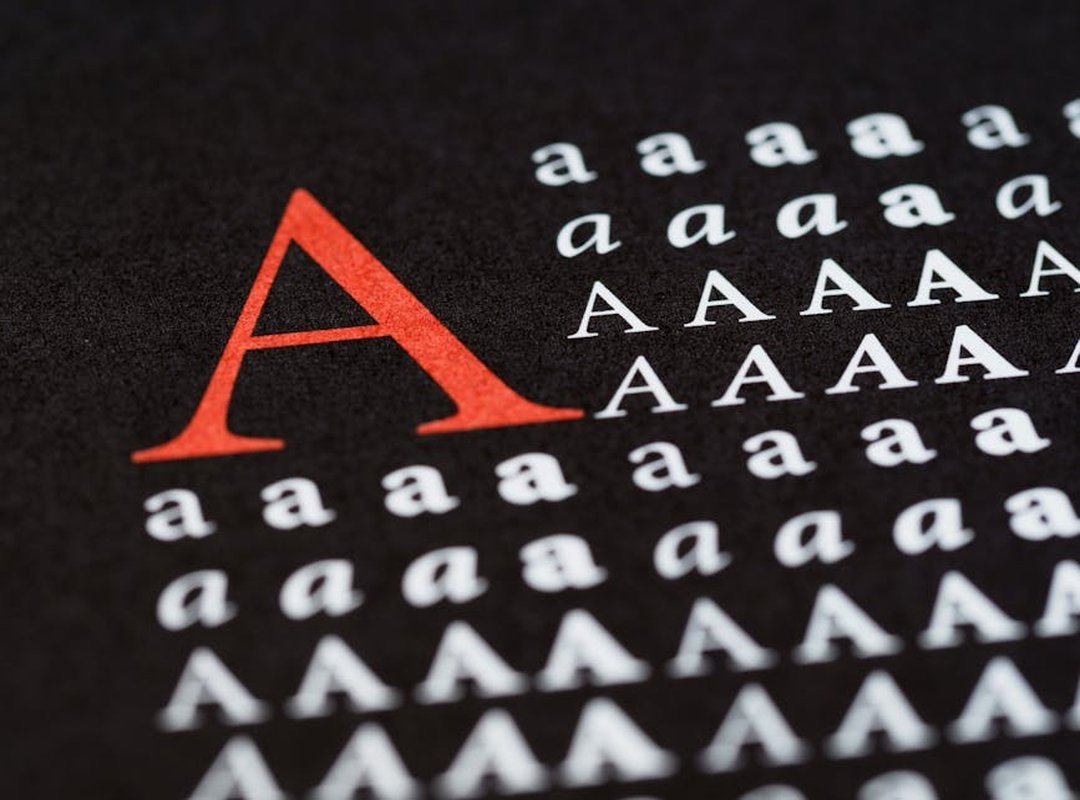
Finding the right images can make or break your content. So, where do you go, and there are a few places I like.
Sites like Unsplash and Pexels offer high-quality, royalty-free images. They’re free and have a wide range of options.
When it comes to graphics, Canva is a lifesaver. It’s user-friendly and has a ton of templates. Plus, you can customize them to fit your needs.
Now, let’s talk about editing. Basic editing can transform an okay image into something great. Use tools like Adobe Photoshop or even free ones like GIMP.
Simple adjustments like cropping, adjusting brightness, and adding filters can make a big difference.
Consistency is key. Your visuals should look like they belong together. Stick to a color scheme and style.
This makes your content more professional and cohesive.
Pro tip: Create a style guide for your visuals. Note your preferred colors, fonts, and styles. This way, anyone on your team can follow it, and your content will always look on point.
Remember, high-quality imagery and graphics (dark:ih71b_rxy_k= imagenes aesthetic) can elevate your content. It’s not just about looking good; it’s about making a lasting impression.
Creating Engaging Social Media Visuals
Creating visuals that stand out on social media isn’t just about making something pretty. It’s about connecting with your audience and telling a story.
-
Platform-Specific Tips: Tailoring your visuals for different social media platforms is key. Instagram loves high-quality, visually striking images, and twitter is all about quick, impactful graphics.
Facebook? It’s a mix of both, but with more room for detailed posts.
-
Storytelling:
Using visuals to tell a story can make a huge difference. Think about how movies use visuals to draw you in. (Remember the opening scene of Inception?Exactly.) Your visuals should do the same—grab attention and keep it.
-
Interactive Elements:
Adding interactive elements like polls, quizzes, and stickers can boost engagement. It’s like when you’re watching a show and they ask, “What do you think will happen next?” You’re more likely to stay tuned.
Dark:ih71b_rxy_k= imagenes aesthetic
Pro tip: Always test and tweak, and see what works and what doesn’t. Your audience will tell you, and you’ll get better at it over time.
Elevate Your Content with Aesthetic Visuals
dark:ih71b_rxy_k= imagenes aesthetic
Aesthetic visuals are crucial for creating engaging and impactful content. They not only capture attention but also enhance the overall message.
To improve your visual content, focus on consistency, quality, and relevance. Use high-quality images, maintain a consistent style, and ensure that visuals align with your content’s message.
Experiment with different styles and techniques. Continuously refining your visual design skills will help you stand out and make a lasting impression.