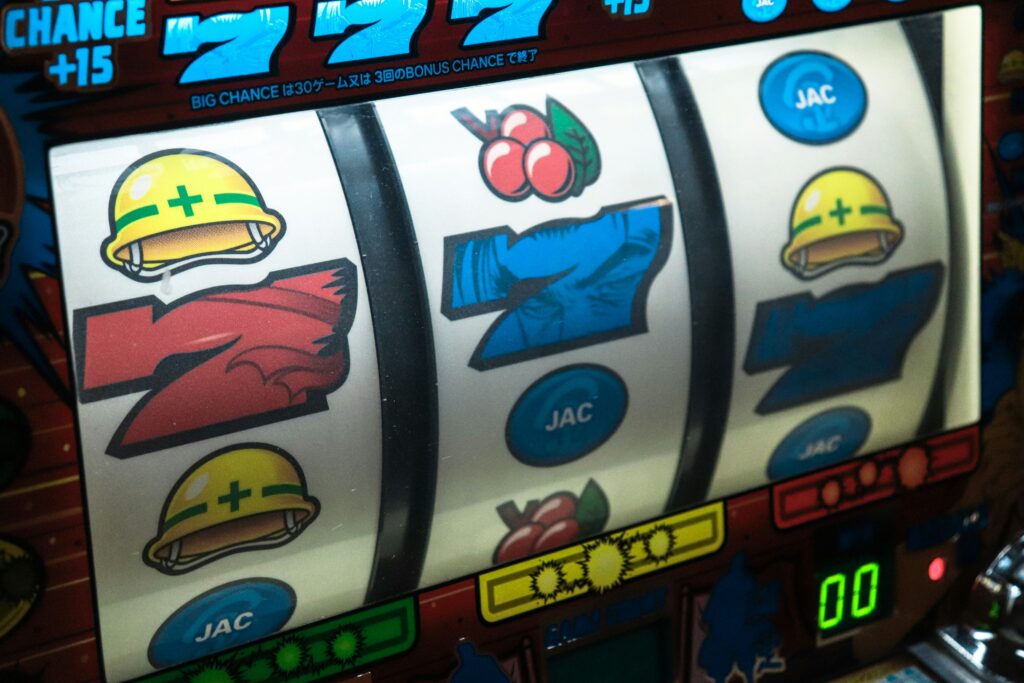

Believing in “Hot” and “Cold” Machines
The idea that a slot machine is “hot” after a few wins or “cold” after a dry spell is one of the most stubborn myths in the casino. It’s also one of the most damaging. Here’s the reality: slot results are governed by Random Number Generators (RNGs). That means every spin happens in isolation. No streaks. No patterns. Just random outcomes generated in milliseconds.
RNGs don’t remember. They don’t care if the machine just paid out a jackpot or hasn’t hit in hours. When you press spin, the software randomly selects a result from millions of possible combinations completely independent of previous spins.
Chasing a “hot” machine hoping it’ll keep paying, or sticking with a “cold” one because it’s “due” to turn around, is how players quietly torch through their bankrolls. You’re not riding a wave you’re throwing chips at chaos.
Bottom line: focus on budget, not superstition. For more on common misconceptions, check out debunking slot myths.
Thinking You’re “Due” for a Win
Let’s clear something up: slot machines don’t remember. There’s no buildup, no emotional arc, no sense of justice coded into them. Each spin is isolated completely independent from the one before it. You’re not racking up credit toward an eventual jackpot. That’s just not how probability works in slots.
Slot machines use Random Number Generators (RNGs). That means every result is purely random within a defined set of odds. Whether you hit spin once or a thousand times, each new pull has the exact same chance of winning or losing as the last.
The problem starts when players believe they’re “overdue.” This mindset nudges people into increasing their bets, playing longer, or pushing past their budget. They’re not just risking more they’re chasing a pattern that doesn’t exist. That false sense of being close to a win is one of the most expensive illusions in any casino.
Understanding probability for what it is a cold, neutral force can help you play smarter, not harder. You’re never on the verge. You’re just on your next spin.
Using Betting Systems for Guaranteed Wins
Betting systems like Martingale and Fibonacci make big promises. Win back your losses. Beat the odds. Just double your bet, or follow the sequence, and everything will work out. Simple. But here’s the reality: they don’t change the game, and they don’t beat the math.
Slots run on Random Number Generators RNGs meaning each spin is independent. The machine doesn’t care about your last bet, your win streak, or how “due” you are. Which makes betting systems feel like walking in circles with a map that leads nowhere. You’re not outsmarting anything. You’re just burning through your money in a fancy pattern.
The illusion of control is powerful. That’s what strategies like these feed on. But playing smart doesn’t mean chasing a system it means setting limits, understanding risk, and walking away when the fun stops. Stay sharp. Don’t get played by your own plan.
Assuming Offline Slots Are Looser Than Online
Let’s clear this up right away: both online and offline slot machines are heavily regulated. Whether you’re spinning reels on your phone or pulling a lever in Vegas, fairness is baked in by law. Government bodies and independent auditors test these games to meet strict standards so the games aren’t “tight” or “loose” based on where you play. That myth just doesn’t hold up.
Where it gets interesting is variance and payout schedules. Variance refers to how often a machine pays out and in what amounts. A high variance game might hit big, but not often. A low variance machine pays smaller amounts more frequently. This has more impact on your play experience than whether the slot is at a casino or in an app.
Then there’s RTP Return to Player. It’s a percentage that tells you how much a game pays out over time. Most legit platforms show you this straight up in the game info. If they don’t, walk away. A good rule? Aim for slots with an RTP of at least 96% if you’re looking for value.
Bottom line: Online or offline doesn’t matter much. Variance and RTP do. If you want to play smarter, stop guessing and start checking.
More breakdowns here: debunking slot myths
Blaming the Casino for “Tightening” Your Luck
When you’re on a cold streak, it’s easy to blame the house. Maybe the casino feels tighter today. Maybe the machine “knows” you’re about to cash out. But here’s the hard truth: casinos can’t just flip a switch and change your luck.
Slot machines run on Random Number Generators (RNGs). Once a game is programmed and certified, the payout percentage the amount paid back over time is locked in. It doesn’t adjust mid spin. It doesn’t tighten up just because you’ve hit a win or a loss streak. What you’re noticing is variance: the natural ups and downs of chance.
What you can control is how you play. Set a real budget you’re okay walking away from. Play when you’re focused not chasing losses or riding emotional swings. And if your session starts going south, recognize it for what it is: bad luck, not a rigged machine.
You’re not playing against a thinking opponent; you’re playing a math system. Stop blaming the venue. Start sharpening your personal strategy.
Final Thought: Skill Up, Don’t Fall For It
Believing in slot machine myths doesn’t just cost you money it clouds your judgment. The moment you think a machine owes you something, or that a strategy guarantees payouts, you’ve surrendered control. That mindset is exactly what the house counts on.
Slots are designed for entertainment. Full stop. They’re built around chance, not skill, and definitely not superstition. When you treat them like a financial strategy or try to outmaneuver systems you don’t fully understand, you’re setting yourself up for frustration or worse.
Here’s the move: play with clarity. Know the odds, ignore the noise, and approach the game like you would any form of entertainment with limits, self awareness, and a clear head. Myths thrive in the dark. Turn on the lights, and focus on what you do control: your time, your budget, and your decisions.